Son[i]a #468
Silvia Zayas

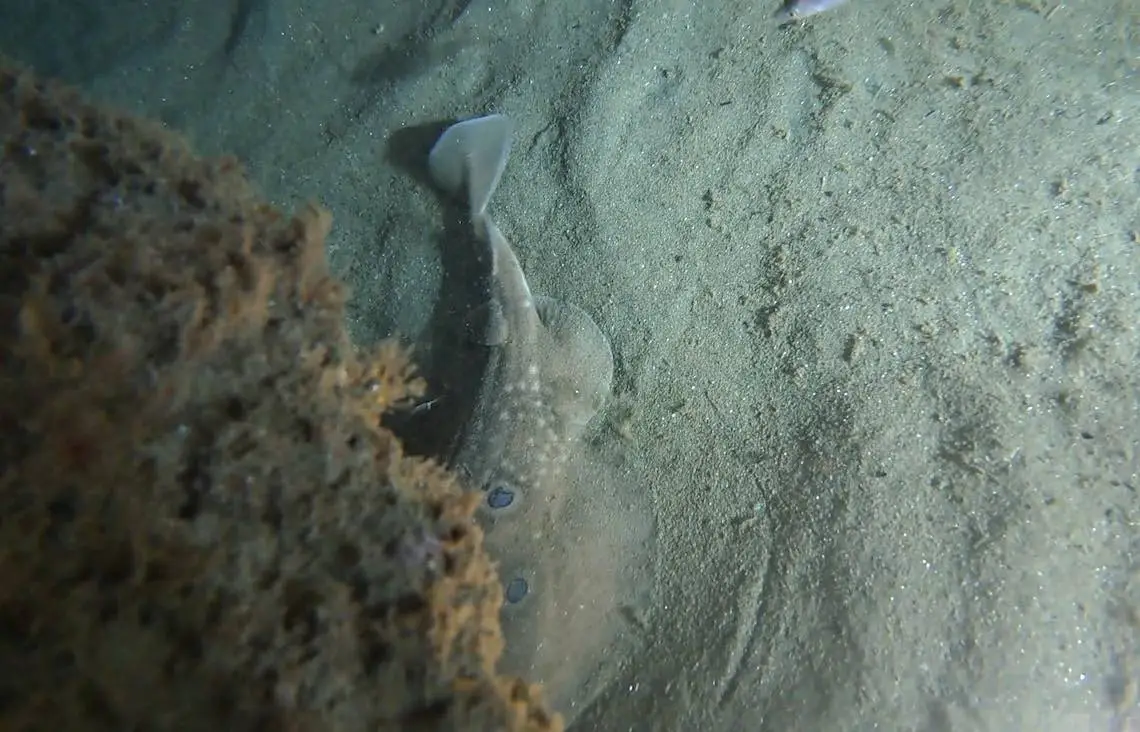
Silvia Zayas works at the intersection of the performing arts, expanded choreography and video. Her practice explores the relationships between the body, image, sound and place through low-tech devices, somatic practices, language hacks, homemade devices, and ways of working with others. Steering clear of the ideas of technical proficiency and objectifying distance, Silvia explores gaps in meaning, the limits of visual and film language, and thresholds of perception and proprioception. She does so through small, precarious media, giving rise to a poetics of the blurred – or blurriness, as she calls it – and a politics of slow resistance. Underwater thrillers coexist in her imagination with made-up systems, circular ghost films, collective stories without a camera, walked films, shared authorship, and discarded material.
In this podcast, we talk to Silvia Zayas about mind films, underwater somatic practices, and the effects of sound frequencies on matter. We imagine what it means to film with a body-camera: when the filming device adheres to the skin, plunging in, abandoning technique in favour of clumsiness, error, and low-res. In other words, what it means to film with a body that does not know where it is going. We also reflect on the editing process when queerness ceases to be merely the subject matter and becomes embodied in the actual modes of production, and on a kind of eroticism of the artistic process that is grounded in affect, intimacy, sensuality, mystery, and a refusal to control everything.
related episodes
Juan Domínguez
A key figure in the field of live arts, Juan Domínguez describes himself as “a conceptual clown, magical cowboy, model-poet, and curator of pleasure.” His artistic body of work is situated both in and out of choreography, and champions excess as well as measure. In any case, he never loses sight of the question that guides his practice: “What shall we do together in this present moment to construct reality?” We talk at length with Juan Domínguez about changing the parameters of live arts, putting a frame on reality, the complexities of participation and co-authorship, and Juan’s efforts to tense time and grow older with his projects and audiences. We also talk about his (admiring) envy of TV series, about robberies, about necessary and supporting co-conspirators, about the body and politics, and about discipline and chaos.