Son[i]a #467
Shuruq Harb

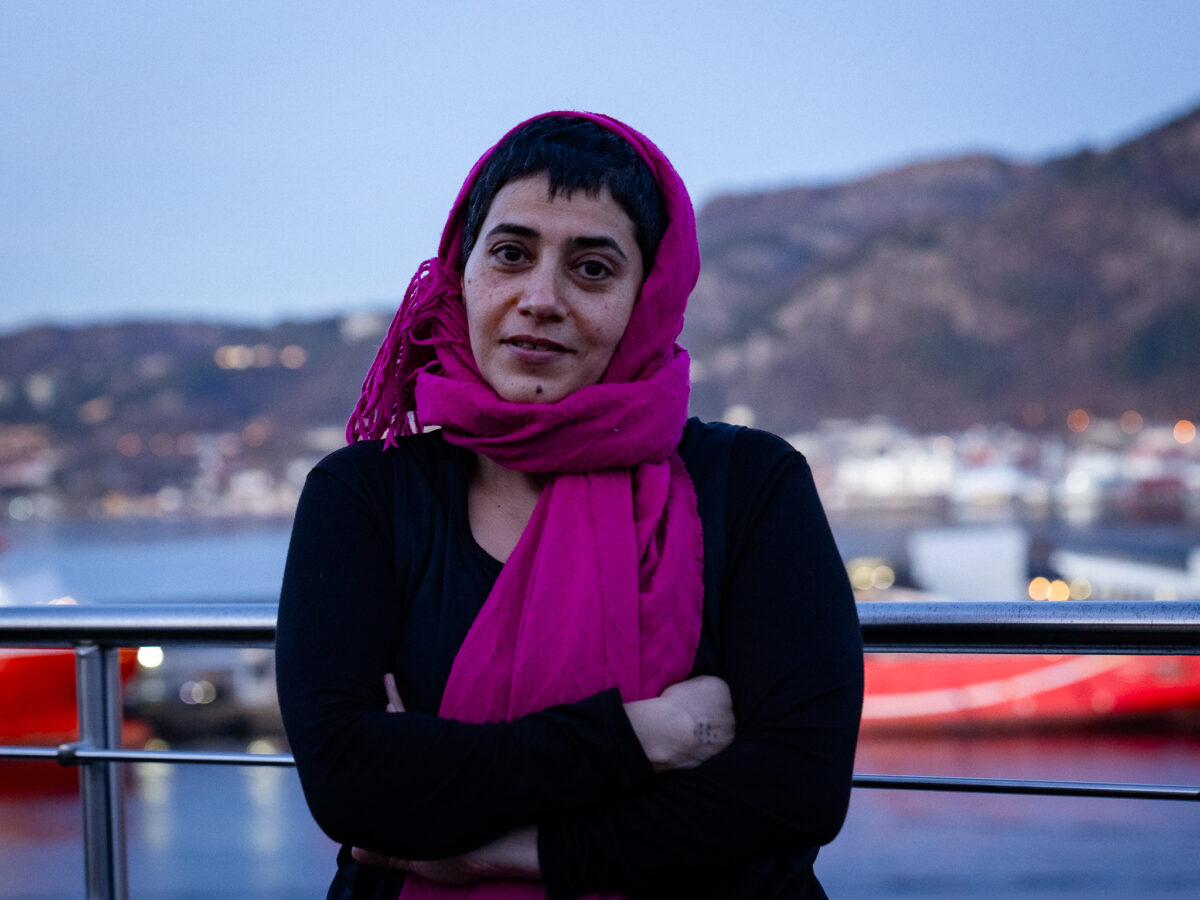
The work of Palestinian artist, filmmaker and writer Shuruq Harb resists resolution. Moving across film, found photography, sculpture and text, she unfolds a practice that understands art as resistance, testimony, and civic tool. Drawing on oral histories, storytelling and the vernacular, her work sheds light on the peripheral or unnoticed, finding collective and political meaning in insular experiences as a way of engaging with Palestine’s rich, layered history.
Through her lens, public space, street signs, cheap prints, calendars and signatures become informal archives through which Palestinian time, memory and futurity are negotiated and continually interrupted. Stubbornly tracing how life under occupation imprints itself on the nervous system, Harb insists on the importance of poetry and imagination, both as tools for refusal, endurance and resilience.
In this podcast, we open up Shuruq Harb’s methodologies and research processes: from long, open-ended conversations and collective walks, to speculative readings of landscape and informal, poetic, playful gestures that make sense of the fragmentation of time, space and everyday life in Palestine. Across the conversation, editing emerges as a method of thinking: a slow, almost athletic practice of arranging images, voices and tenses so that information never overwhelms affect, and poetry does not abandon history. Harb insists on a cinema that is formally simple while being emotionally resonant and critically precise; a space where stories do not necessarily provide answers, but open onto shared zones of speculation, uncertainty and survival. With bedside radios and PASSIA calendars as companions, we also talk about the fuzziness of thinking amid the incessant bombardment of news updates, and about ways of overcoming paralysis and coping with the fractures of the present.
With the support of:


Coproduced by:

With the collaboration of:

Re-Imagine Europe is a project funded by the European Union. Views and opinions expressed are however those of the author(s) only and do not necessarily reflect those of the European Union or the European Education and Culture Executive Agency (EACEA). Neither the European Union nor EACEA can be held responsible for them.
related episodes
Razan AlSalah
In this podcast, Palestinian filmmaker, artist, and teacher Razan AlSalah reflects on the role of artistic imagination in the context of ongoing catastrophe and on cinema as a site of gathering, resistance, and rehearsed return. We talk about archives as both evidence and border, the camera as a mediating and potentially violent device, and the ways images are mobilized for population control and self-fulfilling colonial narratives. We also discuss solidarity, censorship and the need to redirect attention toward images produced by resistance movements themselves, not simply as documents of suffering but as tools for reclaiming historical and political agency.
Mariam Barghouti
In this podcast, Palestinian-American writer, journalist, and researcher Mariam Barghouti talks about the double labor of journalism when you are both its practitioner and its subject: the negotiations with editors, the hierarchy of credibility in international newsrooms, and what gets lost when the only legible Palestinian is the suffering one. As she argues, “before the bombs are dropped people are killed with language”. So we spend time dissecting seven systemic levers of narrative that sustain the manufacturing of consent and danger, that make Palestinian life either hypervisible as tragedy or invisible as politics. And we return, again and again, to a conviction that runs through all her work: Palestinians are not victims waiting to be documented. Palestinians are a people in struggle, determined to remain.
Tareq Khalaf
In this podcast, Filmmaker, urbanist, educator, and cultural practitioner Tareq Khalaf opens a conversation on the agrarian ways of life and the deep-rooted significance of land in Palestinian identity. He reflects on memory, absences, legacies, collective labor, fig harvests, resistance, and radical pedagogies. The conversation also examines the insidious strategies of slow violence at the heart of the settler-colonial project, revealing occupation and its spatial regime—shaped by fragmentation, land confiscation, settlement expansion, conservation policies, and food politics—as a form of environmental erosion and disaster. We also delve into the emotional and psychological toll of life under occupation, and the vital role of imagination, community, and collective expression in sustaining identity and hope, especially in the face of efforts to normalize deeply abnormal conditions.